Following the Syria–Israel agreement signed in Paris under U.S. mediation and with Turkey’s consent, attacks targeting the Rojava Revolution have intensified. As the war carried out through assaults by Turkish–backed HTS militias continues—alongside policies of violence, plunder, and siege—these attacks are accompanied by political silence at the international level and by a form of mainstream media coverage that normalizes the situation. In news reports, the practices of Islamist, nationalist, and sexist armed groups opposing the democratic and participatory model developed by peoples and faith communities in Rojava under women’s leadership are presented as efforts to “establish state authority.” Claims that the utopia has ended, that the Kurds have been abandoned, and that the Syrian transitional government is attempting to assert authority stand out as narratives that function to justify militia violence aimed at dismantling the revolution.
Despite all these attacks, however, support for the protection, expansion, and defense of the Rojava Revolution continues to grow day by day. Politicians, academics, and intellectuals emphasize that the revolution reminds them of dignity and convey messages of solidarity.
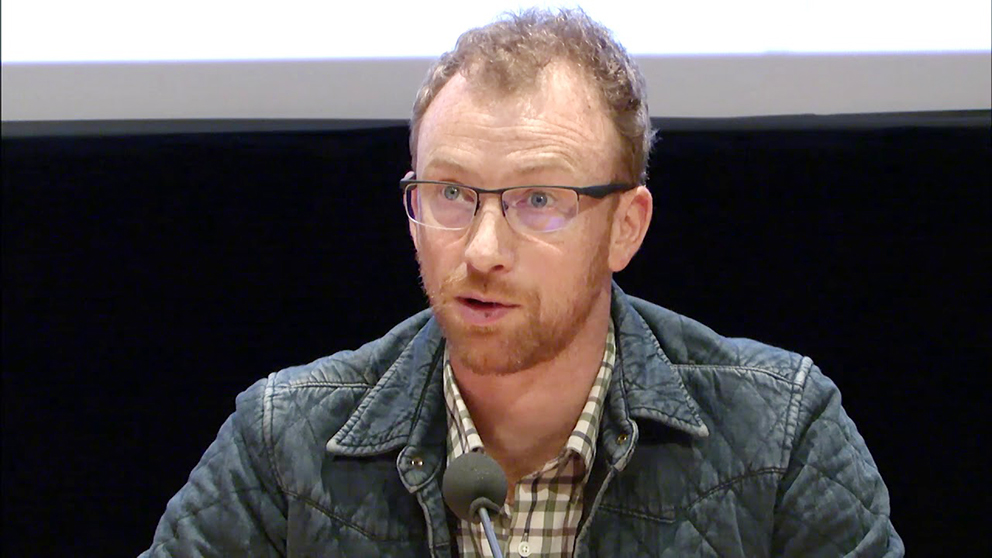
President of the Constituent Assembly of Ecuador (2007–2008), former Minister of Energy and Mining, university professor and now judge of the International Tribunal for the Rights of Nature Alberto Acosta:
The idea, the dream, and the struggles for emancipation have been present throughout the history of humanity. We recall the contributions of many peoples and communities across diverse latitudes, which, in turn, have often proposed changes of a civilizational scope. This history encapsulates a permanent and conflict-ridden effort to overcome systems and hierarchies of domination, through complex practices of popular organization.
The history of Rojava, which synthesizes part of the struggles of the Kurdish people, is situated within this context, shining with its own light. Advances and setbacks—neither easily defined nor easily understood—have opened the door to multiple practices that can be considered revolutionary. These are actions that are always dynamic, sometimes incomprehensible and even contradictory, but almost always charged with horizons of social and even ecological justice. Its men, and certainly with doubled impact its women, resist and re-exist in a permanent struggle.
They give us lessons in dignity and creativity. They teach us that as long as the emancipatory spirit remains alive, hope has value—not understood simply as the belief that something will inevitably turn out well, but rather embraced as the certainty that what is being done has meaning, regardless of the outcome…
The impact of the struggles in Rojava extends across the world. Thus, despite the scarce information circulating in the global media of disinformation—tasked with concealing formidable emancipatory processes such as that of the Kurdish people—in the distant Andes mountains of South America, we watch these tireless and creative struggles with admiration; struggles that inspire us. At the same time, however, we view with deep indignation the successive repressive and genocidal actions of the states that block the freedom of the peoples of Kurdistan, the historical homeland of the Kurdish nation. My solidarity with Rojava!
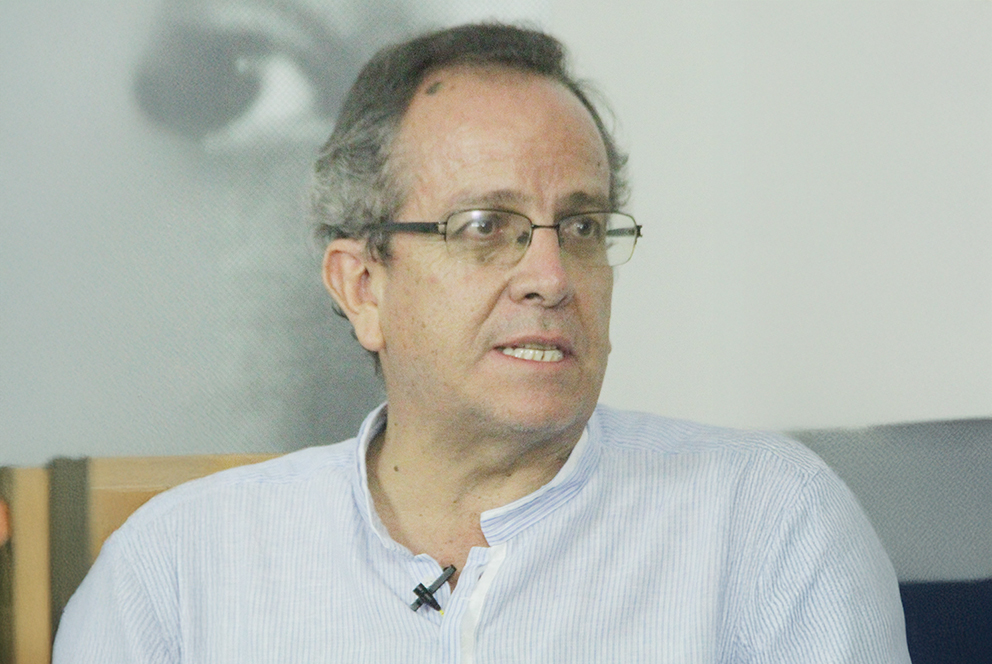
Maurizio Atzeni, Professor at University Alberto Hurtado, Chile and coordinator of Labourtransfer school:
The war against the Kurds in Rojava is silenced by mainstream media across the world. Yet it’s fundamental to support the democratic, self-managed and anti-patriarchal experience established since 2012 by the Kurdish minority in Syria. The struggle in Rojava is not simply for liberation and self-determination of the Kurdish population from the current authoritarian and violent Syrian transition government. It’s a defense of a political revolutionary process guided by the principles of socialism, cooperativism and the common good. An example of an alternative system of self-government inspired by anti-capitalist principles and practices that do not find room within the current ideological consensus.
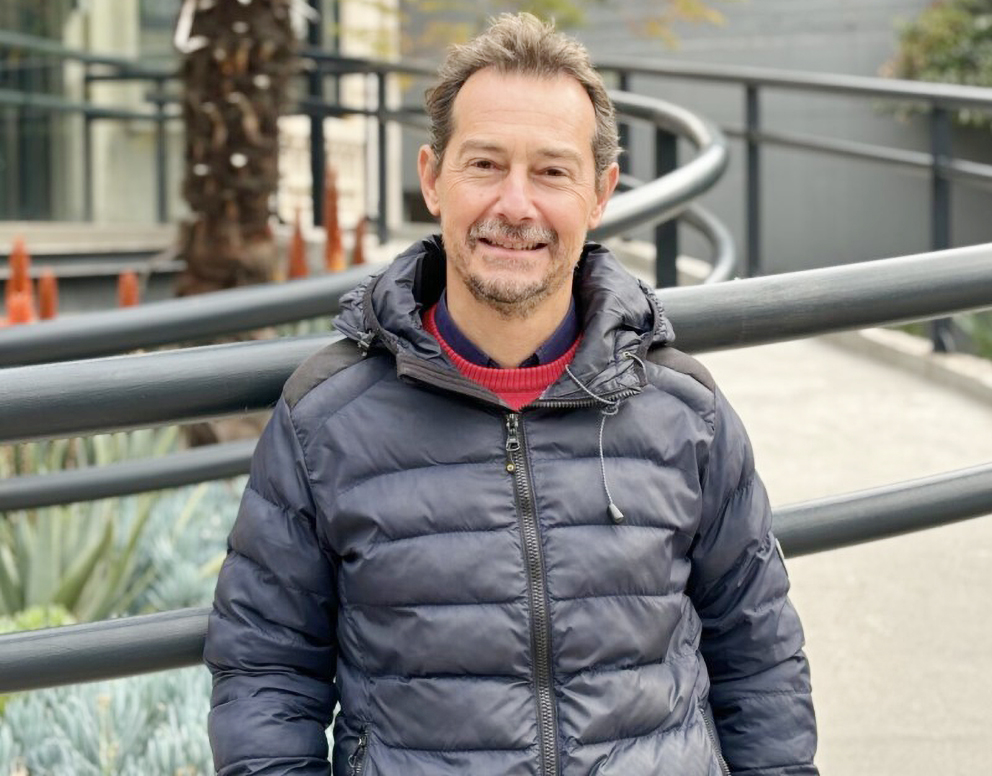 Fabrice Flipo, Philosopher, professor at the Institut Mines-Télécom and researcher at the LCSP (Université Paris Cité):
The fighters of Rojava have rendered invaluable services to the peoples of the world, and in particular to Europeans, by fighting the Islamic State. The values they embody in their experience of government should inspire us, especially in countries threatened by the rise of conservative movements. All forces that claim to uphold liberty, equality, and democracy must support them. This message is addressed in particular to governments, progressive movements and parties, as well as the mainstream media, which do not do enough to raise awareness about Kurdistan.