
On March 31, 1947, the Iranian state publicly executed the respected judge and cleric Pêşewa Qazî Mihemed – at the very place where the Komara Kurdistanê (Republic of Kurdistan) had been proclaimed a year earlier. The execution marked the violent suppression of an early Kurdish self-determination project whose political and social approaches continue to resonate today.
Political awakening in the shadow of the Second World War
With the invasion of Iran by allied troops during the Second World War and the fall of Reza Shah, a power vacuum emerged that opened limited political space, particularly in the northern and western parts of the country. In Rojhilat (East Kurdistan), Kurdish intellectuals and activists used this period to organize and to formulate demands for political, cultural, and linguistic self-determination.
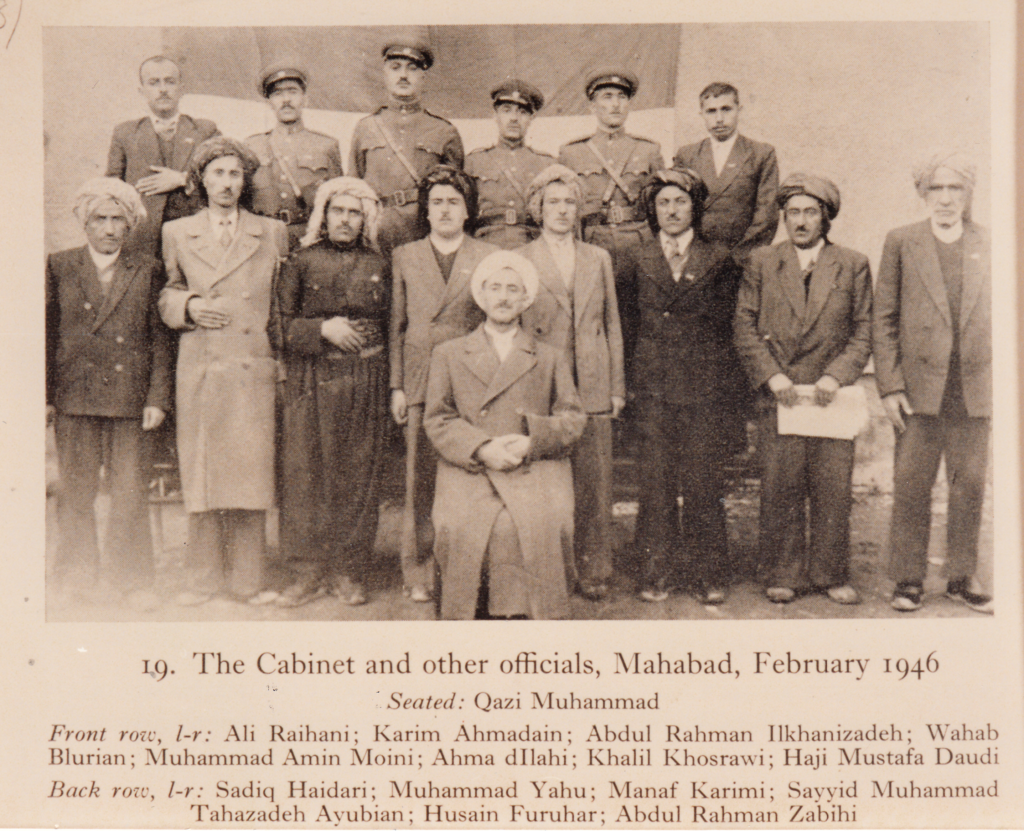
In 1943, one of the first modern Kurdish underground organizations, “Komeley Jiyanewey Kurd” [Kurdish Revival Society] was established. It laid the groundwork for further political structuring. In 1945, Qazî Mihemed founded the Kurdistan Democratic Party of Iran (PDKI) in Mahabad, which appeared for the first time as an organized political force.
Republic of Kurdistan: Self-governance and social transformation
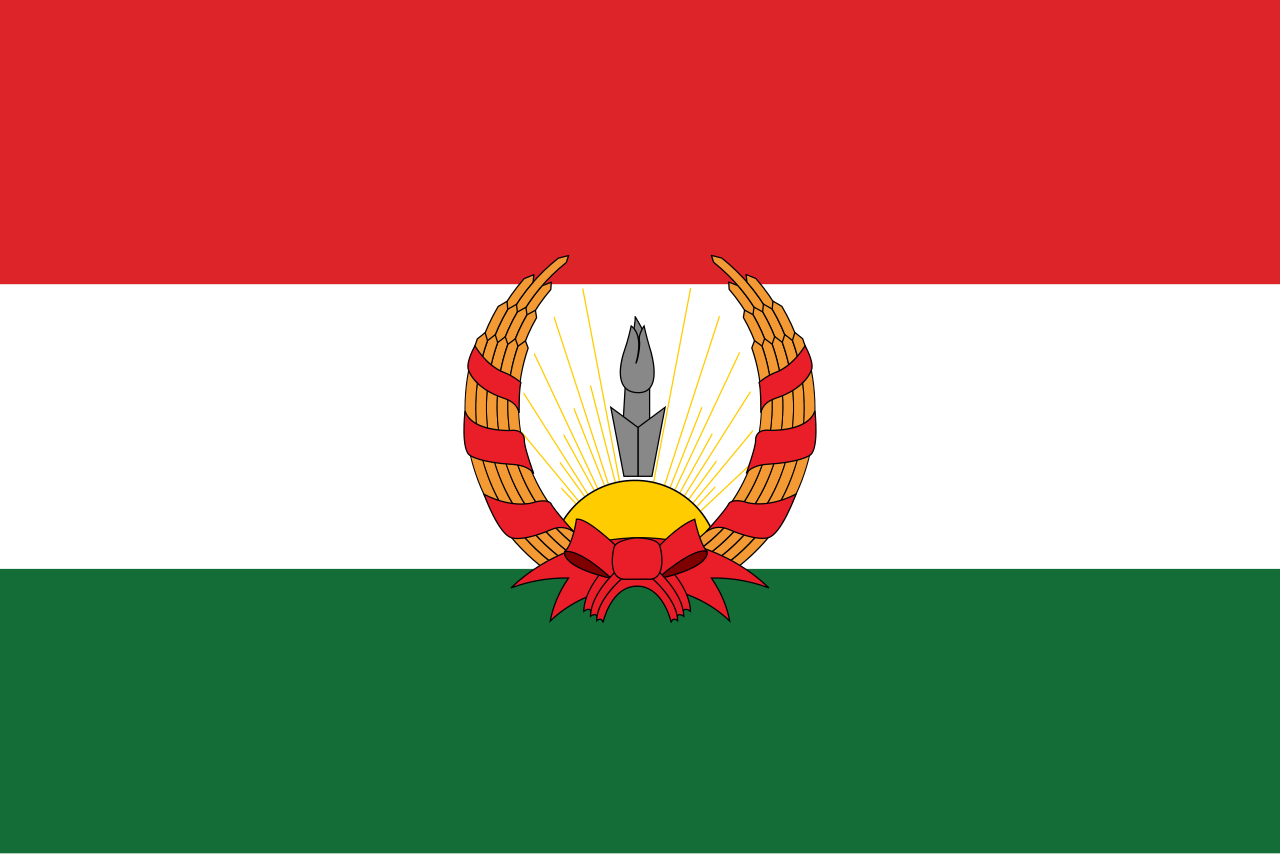
On January 22, 1946, Qazî Mihemed proclaimed the Republic of Kurdistan at Chahar Cheragh (kr: Çarçira) Square in Mahabad. It encompassed approximately one third of the Kurdish settlement area in Iran north of Saqqez, with around one million inhabitants, and extended from Bane and Serdeşt in the south along a narrow strip at the Iraqi and Turkish border up to Maku and the Soviet border.
Under the leadership of Qazî Mihemed, who was appointed president, a “Kurdish people’s government” and a 13-member parliament were established. Within a short time, a form of civilian self-administration emerged that was exceptional for the region at the time. Repressive security apparatuses no longer played a role, political debates could be conducted openly, and the government relied on social participation.
Particular importance was given to the promotion of education and the social role of women. In Mahabad, one of the first girls’ schools in the region was established, and women gained new opportunities to participate in public life – developments that represented a clear break with existing structures at the time.
Geopolitics and military suppression
The existence of the Republic of Kurdistan was closely linked to the geopolitical balance of power of that period. With the withdrawal of Soviet troops from Iran under international pressure, the political project lost its external backing. As a result, Iranian troops advanced into the region and violently ended the Republic of Kurdistan. Existing political structures were dismantled and leading actors were persecuted.
Decision against fleeing
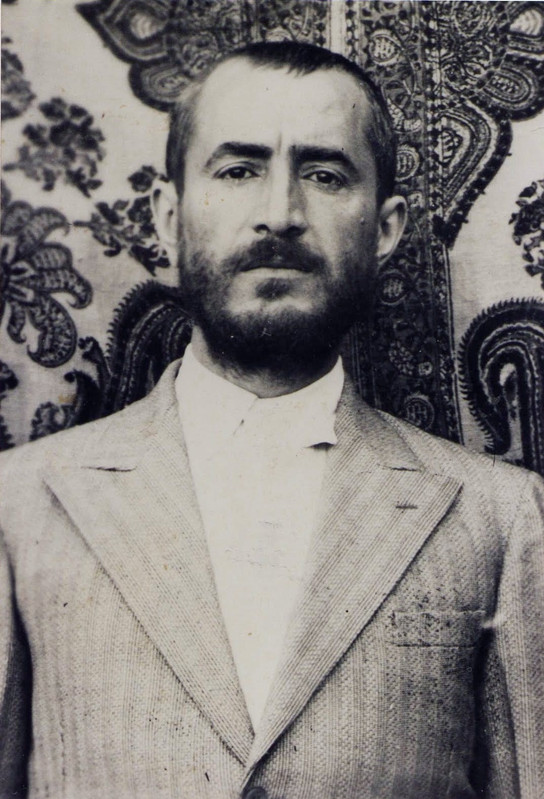
In the face of the impending repression, Qazî Mihemed had the opportunity to leave Mahabad. However, he consciously chose not to do so. In historical interpretation, this decision is often understood as an attempt to prevent further escalation of violence and possible collective punishment of the civilian population. After his arrest, he was sentenced in a non-public military trial.
Public execution as a demonstration of power
On March 31, 1947, Qazî Mihemed was executed together with his cousin Seyfî and his brother Sadrî at the Chahar Cheragh (Four-Candles) Square in Mahabad. The choice of location is considered a deliberate staging of state power and a signal against any form of Kurdish self-organization.
A political legacy that endures to this day
The execution of Qazî Mihemed ended the Republic of Kurdistan, but not the ideas it represented. The attempt to combine political self-determination with social participation and civilian organization shaped subsequent generations of Kurdish movements.
Current developments in Rojhilat are also historically connected to these experiences. The protests during the “Jin, Jiyan, Azadî” (Woman, Life, Freedom) movement in 2022 demonstrated that demands for freedom, dignity, and rights remain central. In Rojhilat, these protests were linked to a historical continuity that goes back to the Republic of Kurdistan.
79 years after the execution of Qazî Mihemed, the Republic of Kurdistan is not only a subject of historical memory. It represents a political project whose core questions of self-determination, social participation, and political recognition remain unresolved.
Leave a Reply