
In the province of Adıyaman in Northern Kurdistan, which was severely devastated by the 2023 earthquake, ecological destruction is intensifying due to the expansion of mining and quarry projects. In recent years, the number of such facilities has increased significantly. This is particularly evident along the approximately 27-kilometer route between the city center and the district of Çelikhan, where there are now seven quarries and one mine operated by the company Eti Bakır.
The extraction sites are also located in close proximity to important historical sites such as Perrhe, an ancient city of the Kingdom of Commagene, a Roman fountain complex, and archaeological excavation areas. Despite this cultural heritage, the destruction of the landscape continues to advance.
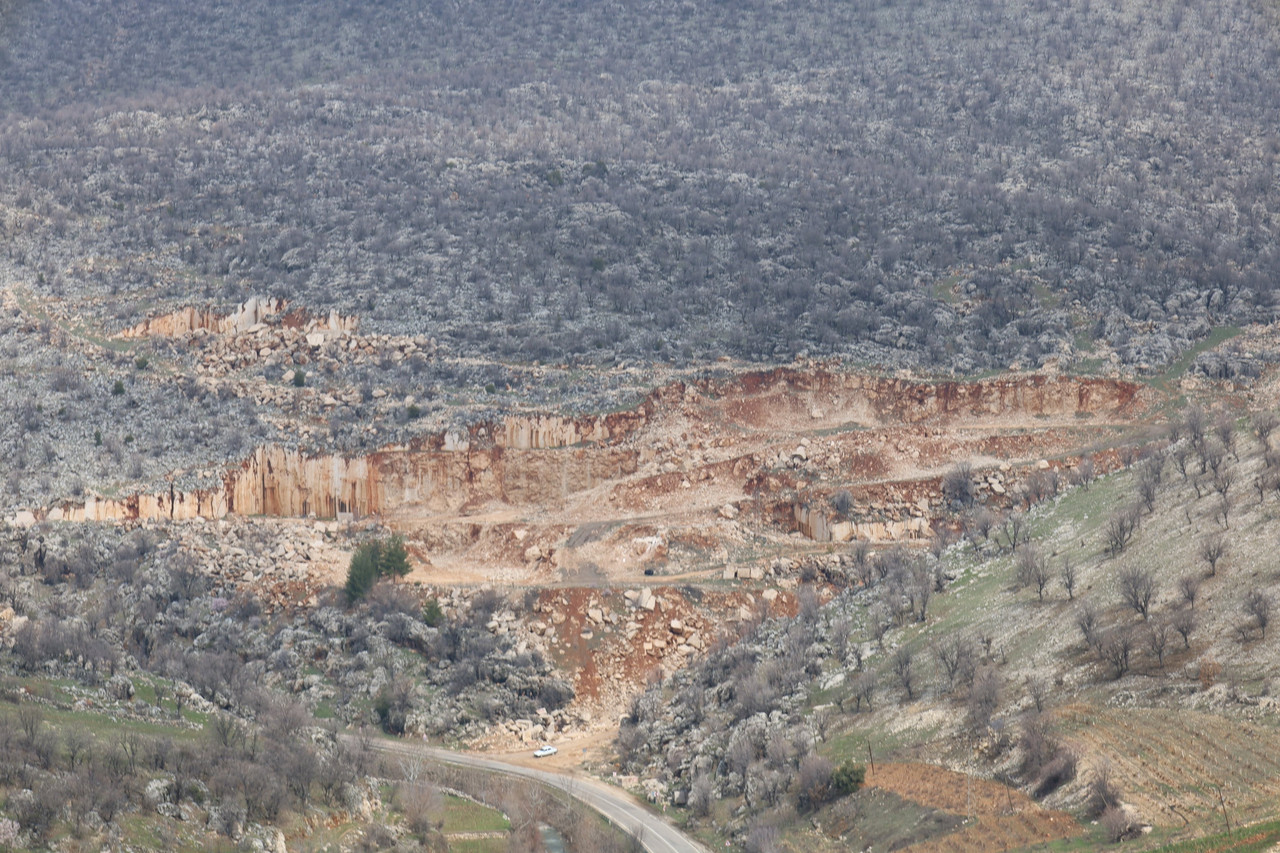
According to local sources, the intensive extraction of stone and ore is causing severe disruption to the ecosystem. Companies close to the government, such as Derviş Çalı, Giba, Akdaş Madencilik, and Eti Bakır, operate multiple facilities. Eti Bakır alone reportedly produces around 159,000 tons of copper concentrate annually—an output that is also reflected in the increasing environmental degradation.
The consequences are extensive: dense dust clouds from the quarries settle over agricultural lands, disrupt photosynthesis, and reduce yields, particularly in tobacco farming. Grazing areas are polluted, while blasting operations alter soil structures and underground water systems. Water sources are drying up or changing course. Rivers and streams are also affected; pollution is visible in the Kanîya Mîr stream, while health problems among the population are increasing. Residents report respiratory illnesses such as chronic coughing, eye and nasal irritation, and a feeling of tightness in the chest.
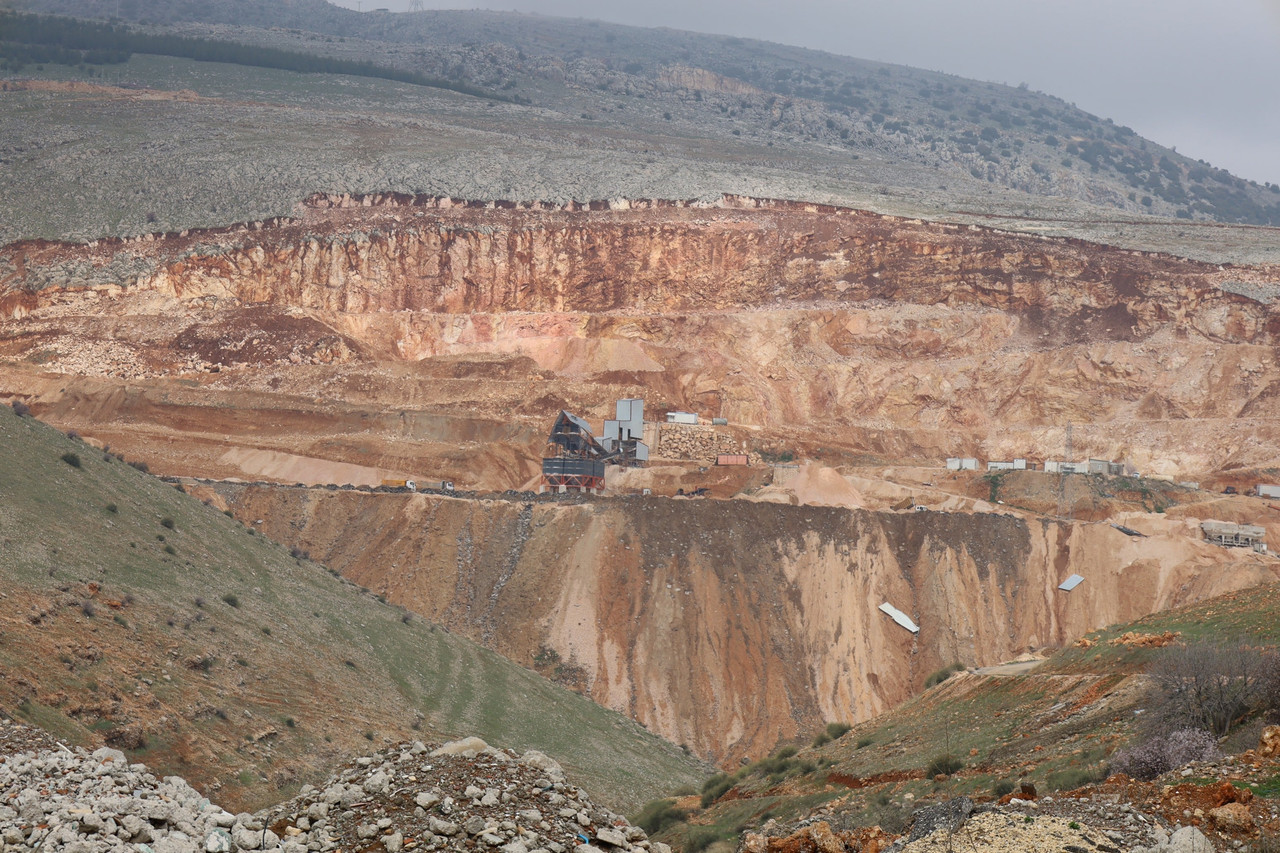
In addition, explosions in the mines cause noticeable tremors in nearby settlements and increase the risk of landslides. For many people still suffering from the effects of the earthquake, these tremors represent an additional burden. Residents of surrounding villages also report increasing heavy truck traffic, persistent dust pollution, contaminated water sources, and the loss of grazing land for their animals. As a result, criticism of mining activities continues to grow.