
As a result of various international agreements and directives behind the scenes, the Syrian transitional government of Ahmed al-Sharaa and Hayat Tahrir al-Sham (HTS) have declared war on the Democratic Autonomous Administration of North and East Syria (DAANES) and, in particular, on the achievements of the Rojava Revolution. Various media outlets report that these attacks were decided upon in early January during high-risk negotiations behind closed doors in Damascus, Paris, and Iraq.
Turkey makes no secret of its influential role in this matter, and the authorities express their satisfaction with these attacks. As was recently seen at the World Economic Forum in Davos, international capitalist political traders are attempting to seize control of politics and democracy and influence the future of peoples in their own interests. The attack on Rojava, an alternative model, is not independent of policies of this kind, of politicians, and at least of their silence.
However, the resistance of the Kurdish people has led intellectuals, artists, academics, and friends who represent the conscience of the public in many parts of the world to raise their voices and show solidarity.
Andrej Grubacic, Editor, Journal of World-Systems Research; Professor & Chair of Anthropology and Social Change Department CIIS-San Francisco, USA:
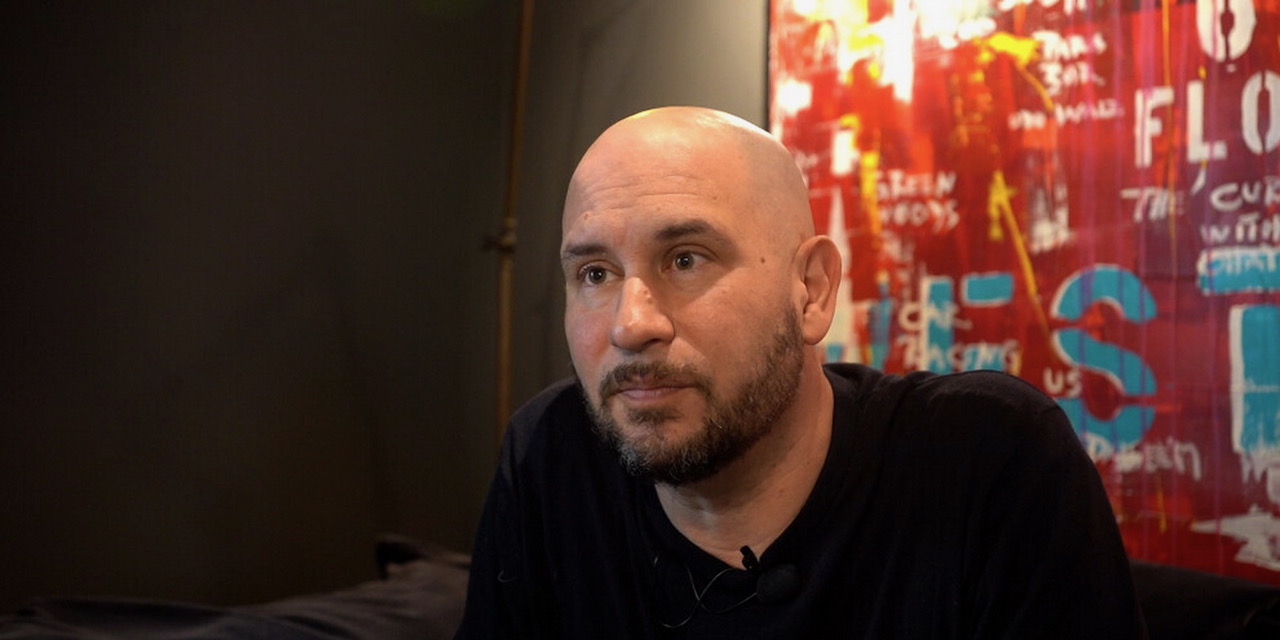
Just a few days ago, the Prime Minister of Canada delivered a startling speech. He admitted that “the story of the rules-based order was partially false,” noting that it has been applied “with varying rigor depending on the identity of the accused and the victim.” This order, he continued, was a “fiction”—one that remained “useful” only because of the benefits provided by American hegemony. According to PM Carney, the international community “participated in the rituals” while largely “avoiding calling out the gaps between rhetoric and reality.”
That bargain, however, has collapsed. We are no longer in a transition, but a “rupture.” As Carney put it: “You cannot live within the lie of mutual benefit through integration when integration becomes the source of your subordination.”
This admission immediately preceded the attack on Rojava. In the lead-up, French President Macron reportedly texted Donald Trump stating they were “totally in line on Syria,” while Trump allegedly informed Norwegian politicians he had no interest in peace because he had not been awarded the Nobel Peace Prize. This belated honesty is refreshing, even if Carney is only partially correct.
We are indeed in the midst of a systemic transition. The world of endless accumulation—the civilization we call capitalism—is approaching its demise. We are inching toward a tributary system defined by political accumulation and blunt force. In such a precarious moment, the destruction of any meaningful alternative is a priority for the status quo. The war against Rojava was never truly about resources; it is a war against an alternative to the nation-state.
Democratic confederalism represents a “rupture” of its own—a compelling alternative to the barbarism of state and capital. This is why “integration as a source of subordination” is being forced upon the people of Northern Syria. In this chaotic transition between historical systems, the confederal idea of communal democracy poses a challenge that the “civilized world” seek to extinguish. We must mobilize to defend this project of direct democracy and confederal internationalism.
Yanis Varoufakis, Former Greek finance minister, Economics professor, MeRA25 leader, Grace:
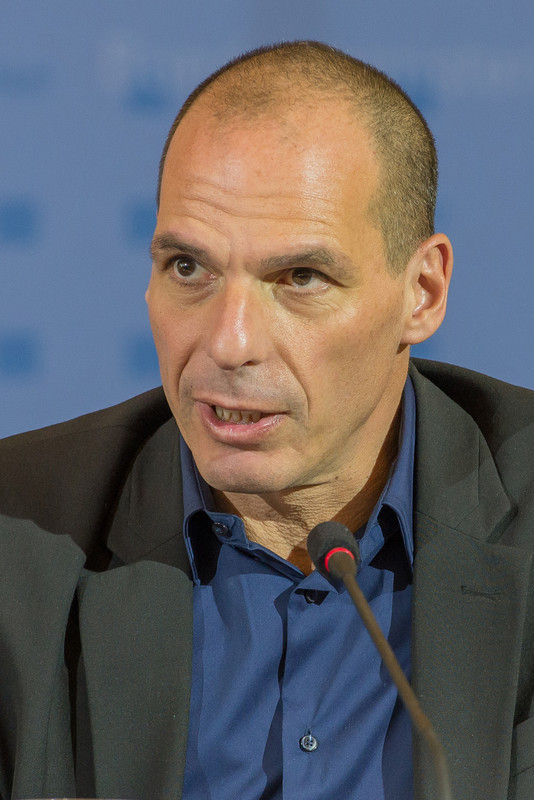
“The news that Raqqa, Kobane and other sites of heroic resistance to organised misanthropy are under massive attack was personally devastating. I hope and trust that the multi-ethnic, democratic forces that defeated IS continue to resist this slide into a new dark age. Solidarity with the women and the men upon whom History has bestowed a heavy burden on humanity’s behalf.”
Hito Steyer, a filmmaker and writer, professor at New Media – Berlin University of the Arts:
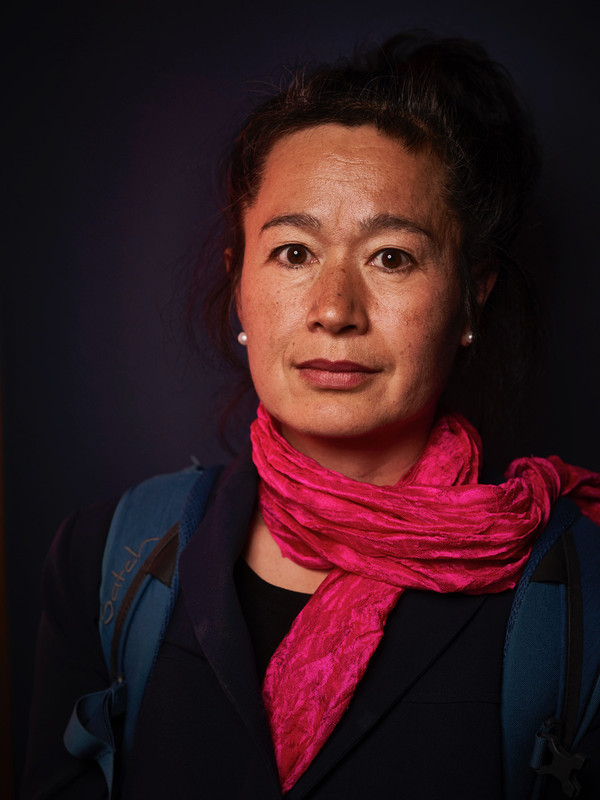
The previous invasion of Afrin region by Turkish-backed forces has incurred the displacement of it´s population, massive human rights violations, and severe setbacks to womens and childrens rights. I thus oppose the impending invasion of Rojava by Syrian forces.
Prof. Dr. Sandro Mezzadra teaches political theory at the University of Bologna, Italy:
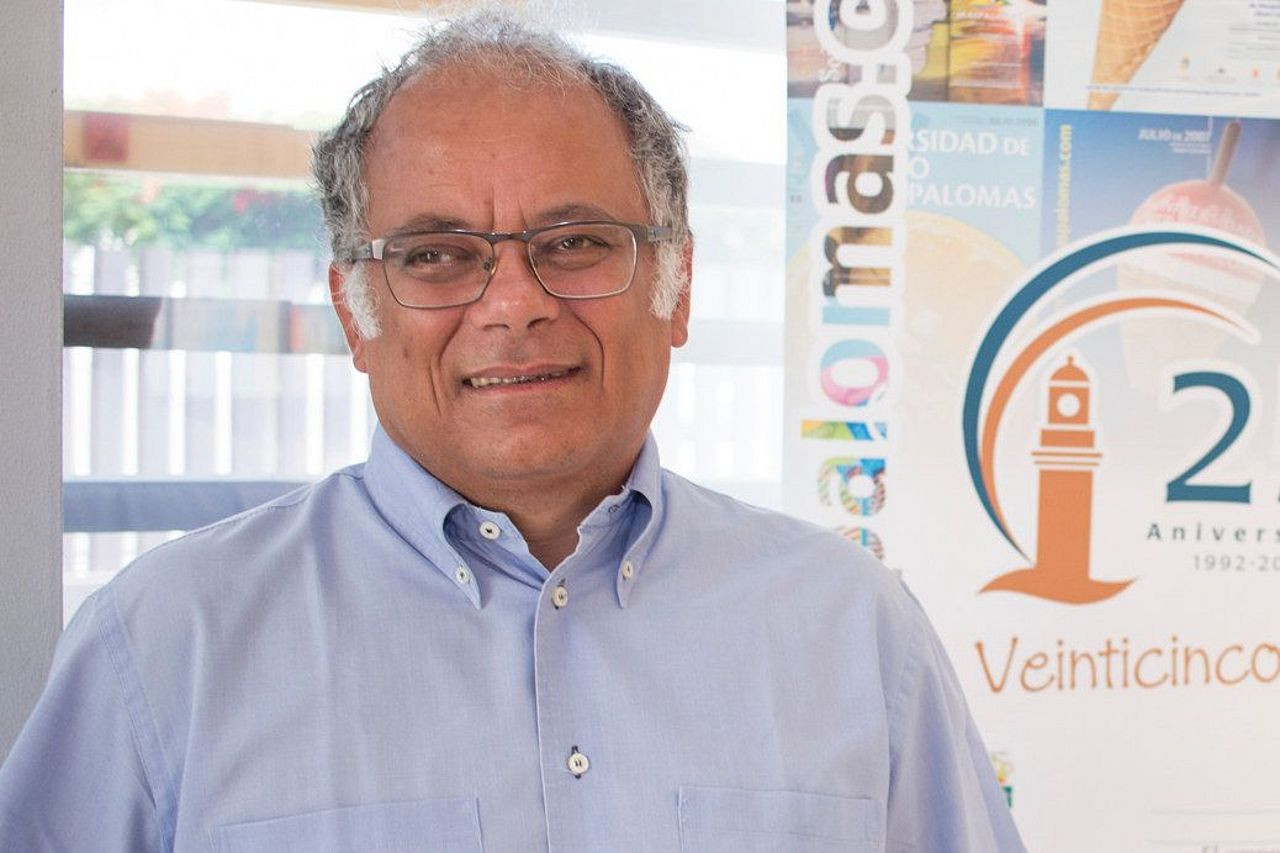
“I am following with anger and anxiety the military attacks on the multi-ethnic and democratic self-administration of the Rojava Revolution. Since 2012, the name Rojava has mobilized people in and beyond the region, opening up new horizons for a revolutionary politics of liberation. To stand up and defend Rojava is a duty for anybody committed to freedom and equality. In an age of war and genocide, struggling for Rojava means struggling for a different world, built upon the ecological, feminist, and democratic principles that the Democratic Autonomous Administration of North and East Syria has turned into a lived reality over the last years. Biji Rojava!”
Raúl Zibechi, Uruguay, journalist, writer and political theorist. He has contributed to the weekly newspaper Brecha, Uruguay:
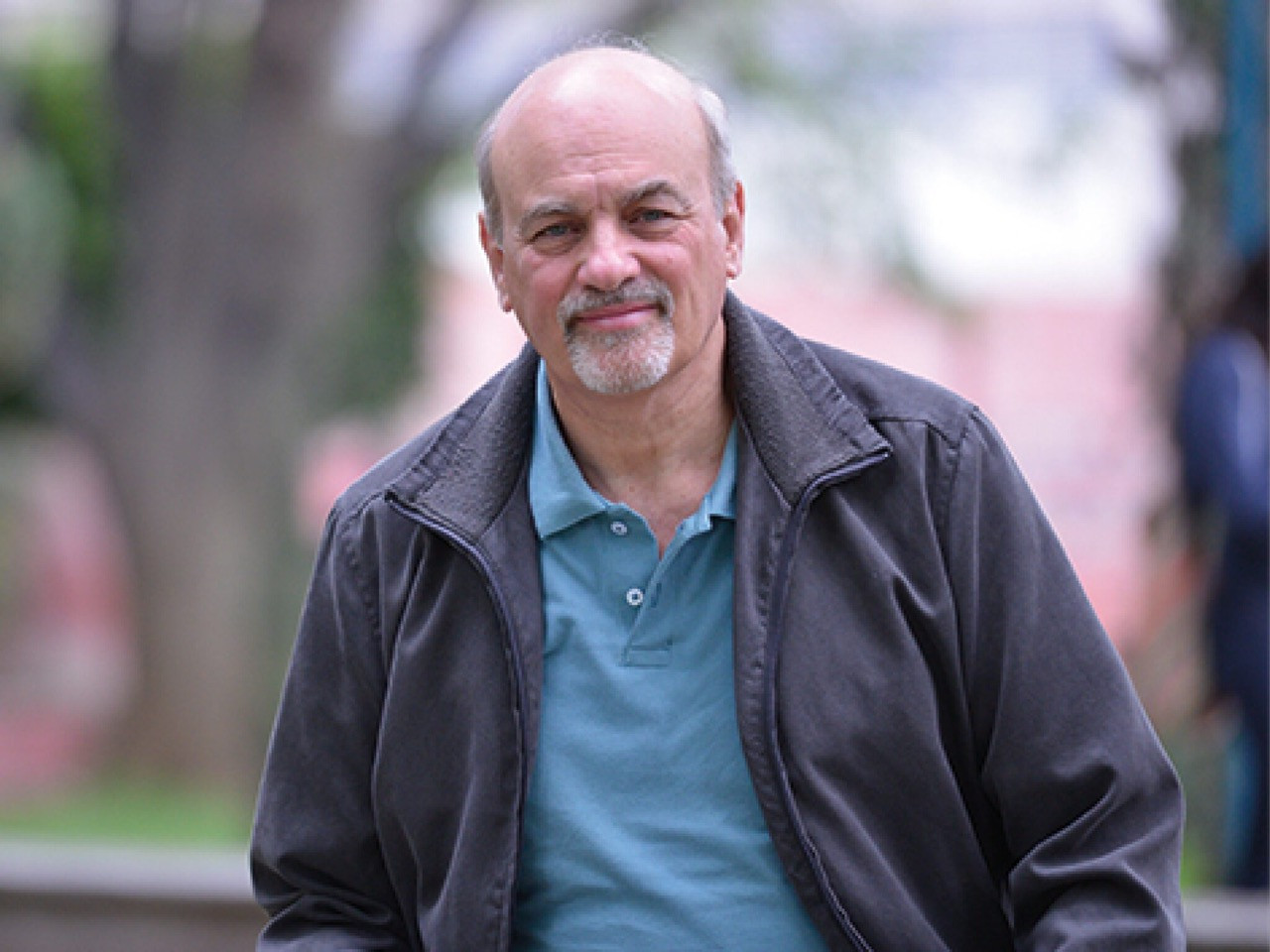
“We are facing a war of aggression by several states (Turkey and Syria, supported by Israel, the United States, and the European Union) to occupy Rojava and destroy its autonomy. This war is part of the major global political shifts related to the struggle for global hegemony among major powers. Given this situation, we, the people, must be very clear about the times we live in. The powerful have refused to sign agreements with the people and are far from initiating peace processes, although, as deception is a key element of war, they sometimes utter the word “peace” without the slightest intention of being consistent.
We are in a period of resistance, but not of absolute defensiveness. “The mobilization of the entire people will form a vast sea to drown the enemy,” wrote Mao Zedong in response to the Japanese invasion in 1938. I believe that principle remains unchanged.
Today, it is a matter of the people of the world mobilizing against imperialism and capitalism to halt this deadly offensive.”
Kamran Matin, Associate Professor of International Relations, Sussex University, UK:
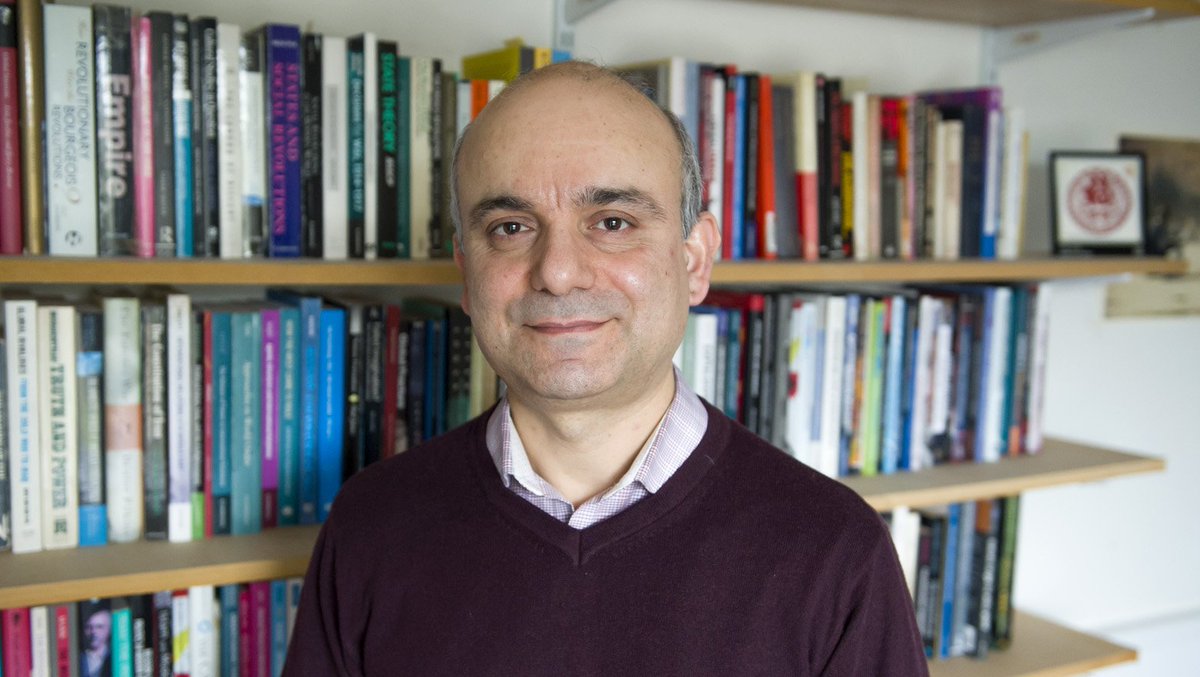
“The unprovoked offensive by the Syrian transitional government, led by former HTS and al-Qaeda commander Ahmed al-Sharaa against the Kurdish people and their political, administrative, and defence institutions constitutes a colonial war of subjugation. Planned and backed by Turkey and endorsed by the United States, this war aims to destroy the nascent Kurdish experiment in democratic, feminist, and ecological self-rule. It bears all the hallmarks of the brutality and barbarism of ISIS, which the Kurdish defence forces of the YPG and YPJ defeated at the cost of thousands of martyrs. If successful, this war will set back the Kurdish national liberation movement by decades and re-entrench Islamist totalitarianism in the region for years to come. The peoples of Rojava urgently need the active support and principled solidarity of all democratic, feminist, and progressive forces and organisations worldwide, now more than ever.”
Dr. Les Levidow, Senior Research Fellow at the Open University, London, UK,
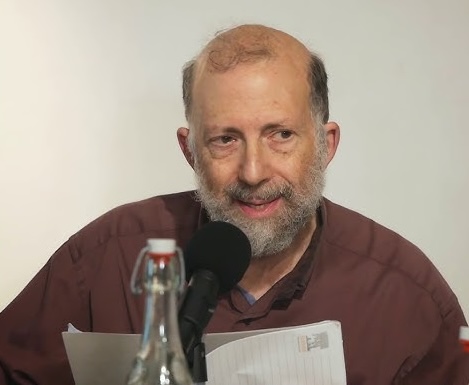
I send solidarity greetings to the Kurdish freedom movement, now facing further attacks by reactionary Islamist forces. With Turkey’s support, those forces have taken over the Syrian army, expelled the SDF from Aleppo, attacked non-Arab minorities, and imposed restrictions on women. Now those forces threaten the Rojava experiment in democratic autonomy and confederalism, which has been the best hope for a future democratic Middle East. I send my wishes for your successful defence and mass democracy.
Judyth Hill, Chair, PEN International Women Writers Committee and Lucina Kathmann, Vice-President, PEN International
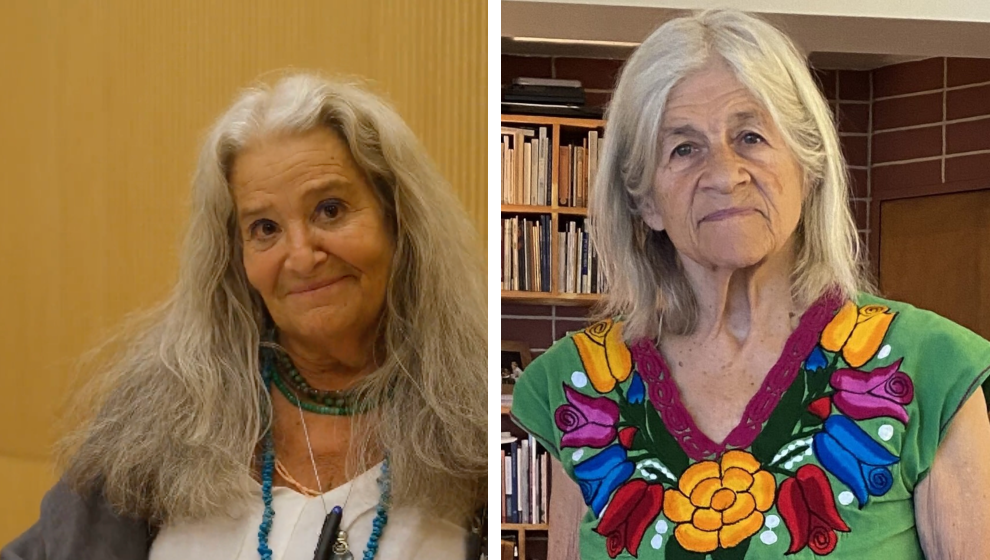
The Women Writers Committee of PEN International always stands in vigorous solidarity with the Kurdish people, Kurdish journalists, and all those defending freedom of expression, dignity, democracy, and self-determination in North and East Syria. For decades, Kurds have endured suppression, erasure, and violence at the hands of states that fear their voices as much as their freedom.
We are well aware of the long campaign to crush the possibility of a democratic, feminist, and pluralistic government in the Middle East -a campaign carried out through censorship, intimidation, imprisonment, and the systematic silencing of writers, journalists, and cultural workers. The silence of the international community in the face of this repression is both dangerous and shameful.
Kurdish media, including Yeni Özgür Politika and Firat News Agency, play a vital role in bearing witness when others look away. We stand shoulder to shoulder with Kurdish journalists who continue to report the truth under threat, and with the Kurdish people whose struggle for freedom, equality, and peace deserves not silence, but active global solidarity.