
In the province of Van, pressure on nature and water resources is growing. The expansion of energy projects is increasing rapidly: according to environmental groups, a total of 20 hydroelectric power plants, 18 solar power plants, and two wind power plants are already in operation or in the planning stage. Activists speak of an “ecocidal siege” and warn of profound damage to the landscape, water balance, and livelihoods.
The numerous hydroelectric power plants in particular are having a massive impact on the ecological balance of the region. Nine large plants are already in operation, including Muradiye Ayrancılar, Koçköprü, Zilan, Çataj Saral 3, Engil, Gürpınar Hoşap, Sarımehmet, and two power plants in the district of Erciş. Six further large-scale projects are planned. Almost every district is affected by a hydroelectric power project.
Solar and wind power plants on the rise
In addition, several projects—such as the Ak power plant and the Pervari A dam planned in Bahçesaray district—already have a production or preliminary license. Further expansion is also in the pipeline: nine additional hydroelectric power plants are currently in the planning phase, including plants in the districts of Çatak, Bahçesaray, Botan, Erciş, and Başkale.
The expansion of solar energy is also progressing. There are 18 solar power plants registered throughout the province, including municipal projects in Çatak and numerous private plants in Van, Erciş, and Başkale. Two wind turbines, “Van Bağlama” and “R3 Van 2,” have been approved so far.
Environmentalists also see this as a burden on sensitive ecosystems. They say the interventions are often carried out without sufficient environmental impact assessments or the consent of the affected population.
Increasing water shortages and over 10,000 wells drilled
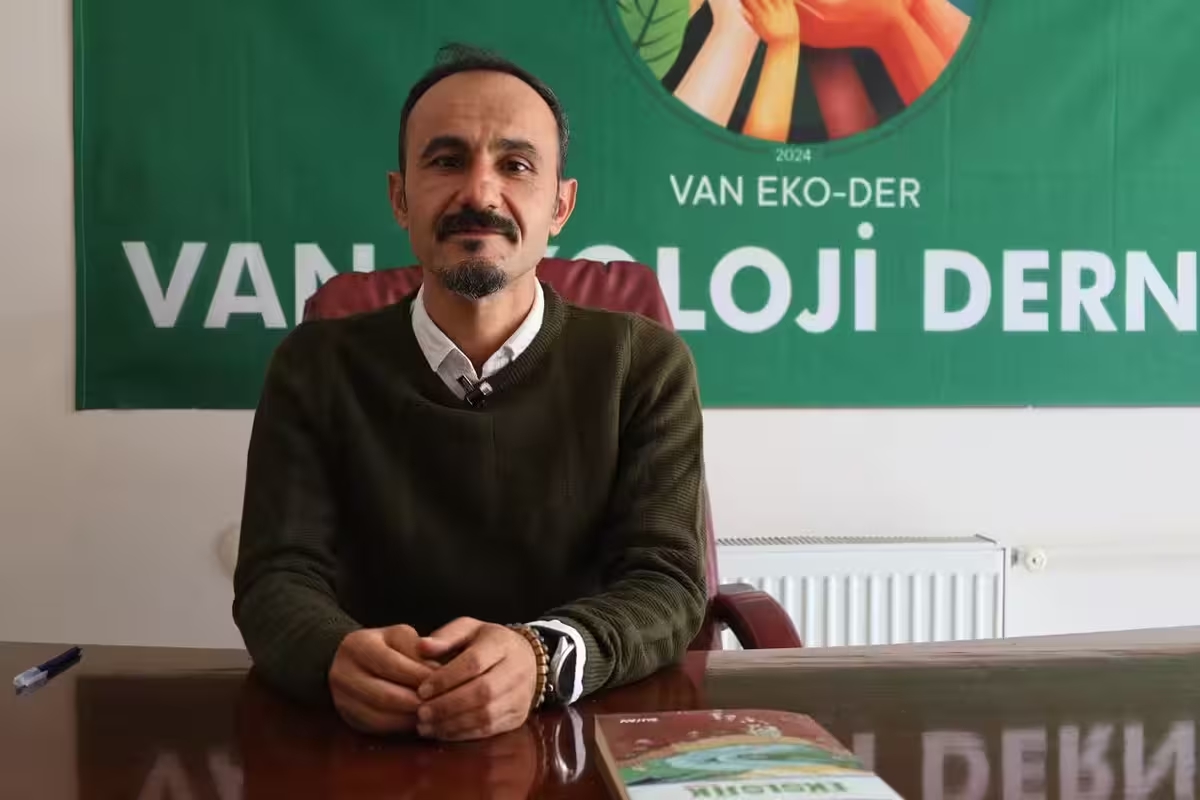
According to the Van Ecology Association (Van Eko-Der), excessive access to water resources is a particularly pressing problem. Association member Erdoğan Ödük warns that there are more than 10,000 registered and unregistered wells in the region, many of them in the north of the province. These often extract clean artesian groundwater.
“In the Zilan region, hydroelectric power plants have caused many springs to dry up almost completely,” says Ödük. “The water level at Lake Van has dropped significantly. The combination of power plant construction, intensive agricultural use, and uncontrolled irrigation is leading to a rapid decline in drinking water resources.” Pesticides have also entered the groundwater, causing lasting damage to soil and waterways.
Biodiversity and habitats under pressure
Solar and wind energy projects also have far-reaching consequences for the ecological balance. According to Ödük, wind turbines are often erected in windy high-altitude locations where animal migration routes are located and many endemic plant species grow. “When 30 or more wind turbines are located next to each other, these corridors are completely blocked,” he warns. What is particularly critical is that some plant species could be destroyed before they have even been scientifically recorded.
In Edremit, too, mountain regions have been cut off by solar power plants. “We categorically reject this kind of energy production,” emphasizes the environmentalist.
Call for legal consequences
Ödük calls for the establishment of independent environmental commissions to document ecological damage and hold those responsible to account. “After wars, the destruction is dealt with—but so far, this has not been the case for nature. Yet it is our common basis of life,” says Ödük. “We finally need a legal basis to take effective action against this form of ecological destruction.”