
The documentary “Dengbêjên Me,” which is dedicated to the oral storytelling traditions of the “Dengbêjî,” not only archives this Kurdish culture, but also acts as a bridge that carries it into the present. Director Ali Bağdu presented the film in Berlin, Hamburg, and Mainz as part of his tour of Germany, where it was met with great interest from both the Kurdish diaspora and culturally interested viewers from Europe. In an interview with ANF, the director talks about the motivation behind this journey in the footsteps of cultural memory, the challenges during filming, and the role of film in oral tradition.
We see that the Dengbêj tradition is still alive today. How important do you think film is in passing this tradition on to younger generations?
Dengbêjî remains a living culture, but if it is not made visible, it will quietly disappear. Film is not merely a recording device here, but a medium. The voices, stories, and memories of the dengbêjs can transcend borders through film. The younger generation hardly has the opportunity to hear the oral tradition directly, but the film opens a door to this feeling. That is why the role of film is vital to me.
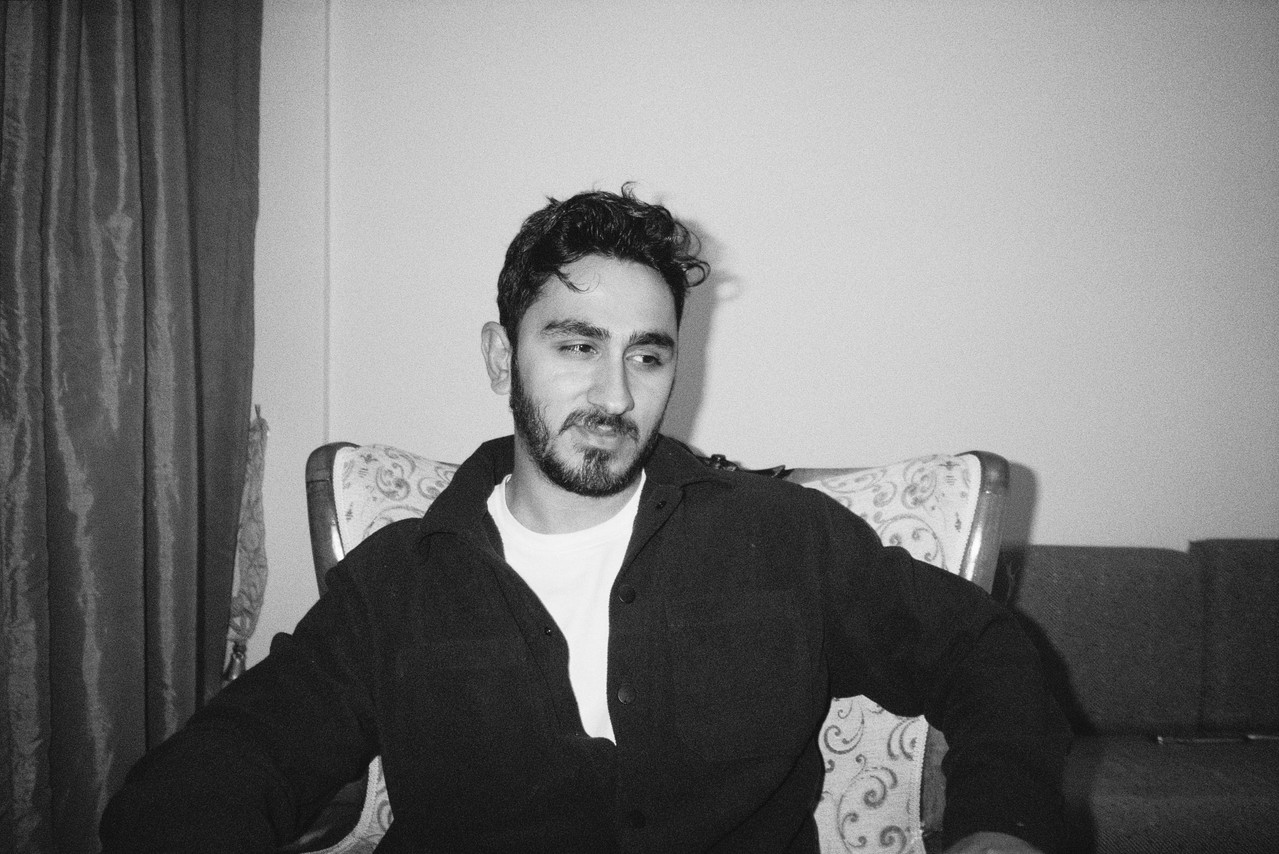 Ali Bağdu
During the filming of “Dengbêjên Me,” you spent a lot of time with various Dengbêj singers. Which moment affected you the most or changed you the most?
What shocked me most was that many Dengbêjs live in very difficult conditions. It affected me deeply to see how cultural memory had been left to its own devices. Many said, “There is no one left to listen to us.” In those moments, I sensed the end of an era. That was when I stopped seeing the film as a documentary and started seeing it as an obligation.
What do you see as the biggest problem facing Kurdish cinema today? What role can independent directors play in solving it?
I think the biggest problem is quite simple: there is a lack of support. Everyone says, “Kurdish cinema should develop,” but when it comes to putting this into practice, no one really lends a hand. Young directors want to tell stories, but they can’t find funding, locations, or equipment. Eventually, many of them give up.
Your efforts to preserve social memory through film are very striking. How would you describe the sense of responsibility that this mission inspires in you?
This responsibility is not a burden, but rather a necessity. If we don’t preserve this memory today, no one will be able to tell the story tomorrow. I feel less like a director and more like someone who has taken on a duty to bear witness. This forces me to be constantly mindful.
Women have historically played an important role in the Dengbêj tradition. Why are there no female Dengbêjs in the film?
Female dengbêjs are historically very important, but in the regions where I was filming, I couldn’t find any women who still actively practice this art. That wasn’t a conscious decision on my part; I simply didn’t encounter any. Some didn’t want to talk, others didn’t want to be recorded. I deliberately noted this shortcoming and would like to address it later in a separate project.
During your tour of Germany, you were able to interact directly with the audience. What kind of reactions did you get? Were you surprised by the European audience’s attitude toward Kurdish culture?
To be honest, I experienced a much warmer interest than I had expected. People didn’t just come to see a film; they wanted to exchange ideas, understand the culture, and really immerse themselves in the world of the Dengbêjs. What surprised me most was something else: people in Europe showed an appreciation that we often don’t experience in our own region.
How is the current screening process for “Dengbêjên Me” going? Did you receive the support you had hoped for at the festival?
The screening process is actually going better than expected. Thanks, in particular, to the support of Cemil Qoçgirî and Eda Tanses, we have had the opportunity to show the film in many cities. This support has been very valuable to me; it has given me the feeling that I am not alone with the film.
[album=21739]