
In the Kurdish province of Şırnak, the Turkish housing development administration TOKI has begun construction on a large-scale project that will involve massive changes to the landscape. The areas affected are Qelaçkê and Bûlbûlê on the outskirts of the Ismetpaşa neighborhood, around three kilometers from the city center. The plan is to build 1,520 apartments and public facilities there.
The construction work is taking place on an area of around 24,000 hectares that was previously designated as public land. However, observations on site show that entire hills are being removed, trees are being torn out of the ground along with their roots and transported away by truck. Dozens of excavators and bulldozers are being used to level the site – a large-scale intervention in the ecosystem.
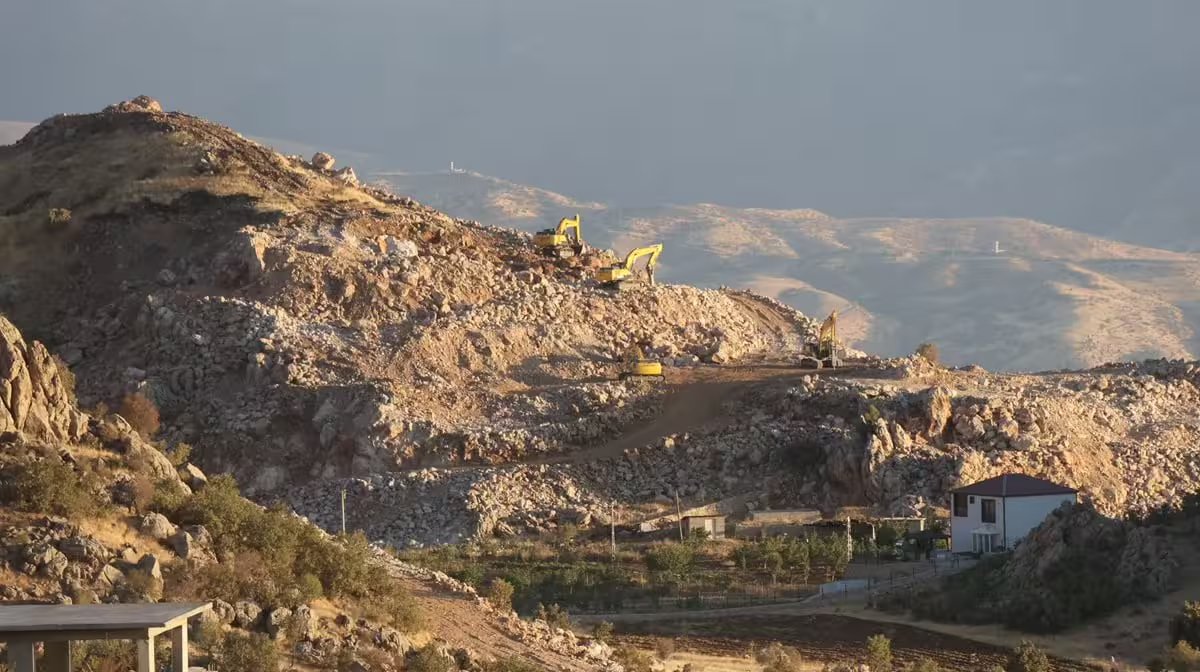
Nature is systematically destroyed
These measures are indicative of a trend in which state institutions, government-affiliated construction companies, and central planning authorities are working closely together in Kurdish provinces—often with devastating consequences for the environment and local habitats. Observers on the ground speak of systematic destruction of nature.
In addition to the apartments, the project also includes a primary school with 24 classrooms, a shopping center with seven stores, a mosque, a funeral home, and infrastructure and landscaping measures. A total of 94 apartment blocks are to be built in the area.
The contract was awarded to the government-affiliated construction companies Egemen İnşaat and Fitaş Emlak as joint contractors. The contract value is 4.164 billion Turkish lira (approximately 85.3 million euros).
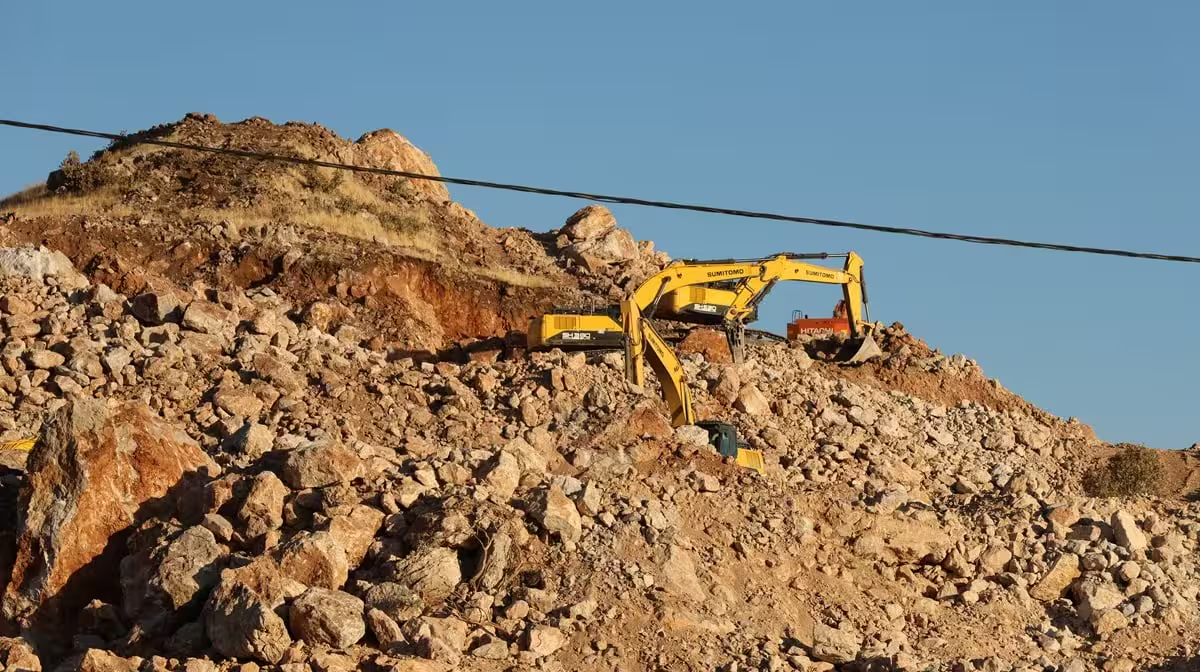
No environmental assessment, no local participation
No environmental impact assessment has been published to date. Nor has there been any involvement of the local population or civil society organizations. This is not an isolated case in Kurdish provinces: large-scale projects such as housing developments, dams, or mines are often implemented without transparency and against local interests—not infrequently with the support of the police and military.